An NFL team plays about ten home games a year. Ten. Out of 365 days, the three-billion-dollar building sits dark for roughly 97 percent of the calendar. For decades, nobody with a checkbook seemed to notice. You built a bowl, you wrapped it in parking, you sold tickets and beer ten Sundays a season, and you called it a business.
That era is over. The smartest money in sports figured out something uncomfortable. The game is the least profitable thing happening on the property. The new business is the other 97 percent.
Call it the 97% problem, and watch how fast it explains everything being built right now.
The owners are telling you with their wallets
Look at what they are actually saying with their capital. Tottenham’s stadium now earns more from concerts, NFL games, and the year-round visitor experience than many clubs pull from matchday football entirely. Read that twice. The football, the thing the club exists to play, has become a supporting act in its own building.
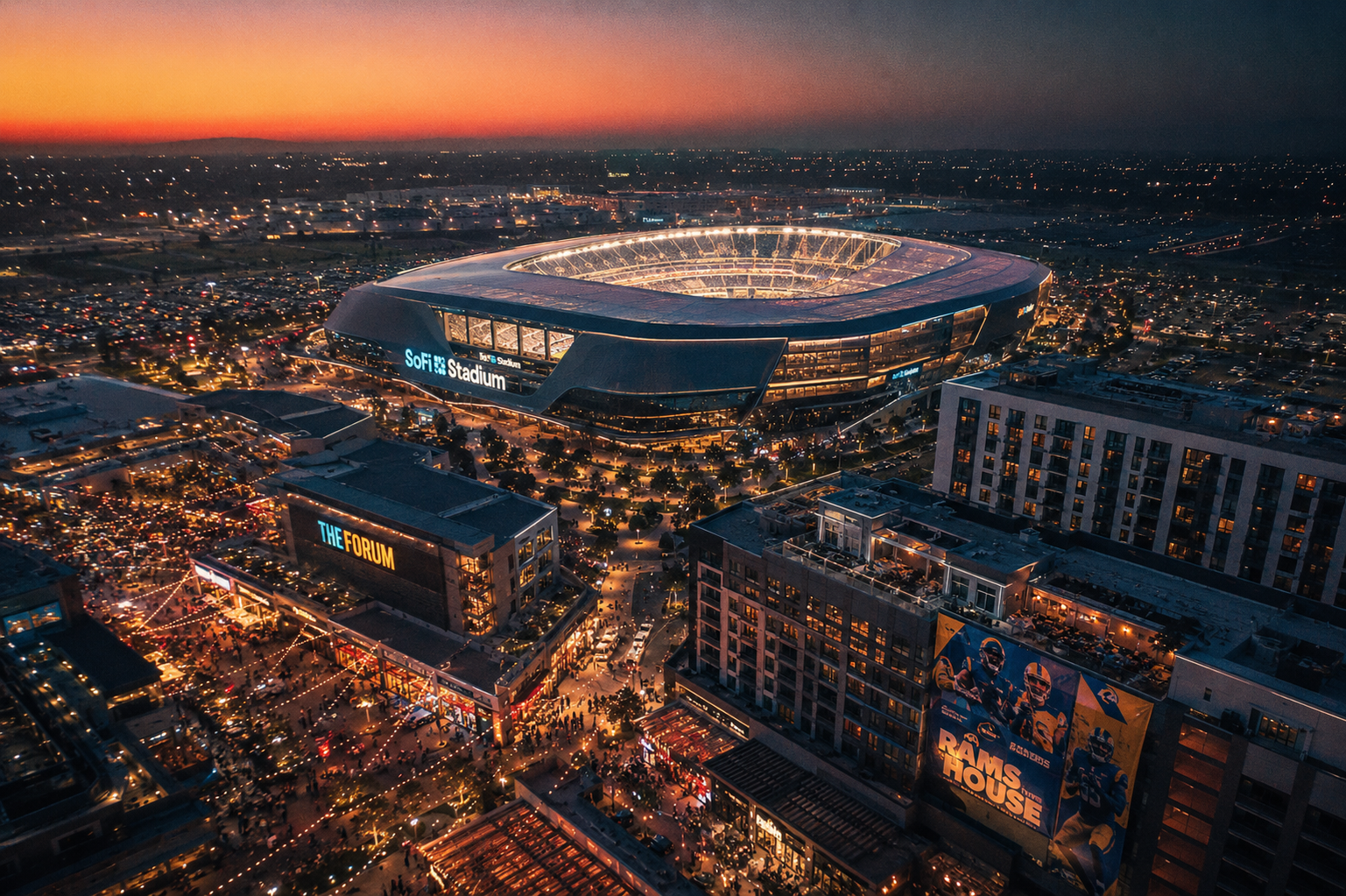
In Los Angeles, SoFi Stadium sits inside Hollywood Park, a nearly 300-acre district stacked with a 6,000-seat theater, an immersive events venue, and a luxury cinema, all engineered to give people a reason to show up on a random Tuesday. The stadium is no longer the destination. It is the anchor tenant.
It pays when it works.
The model delivers when it is built right. The Arlington Entertainment District around AT&T Stadium throws off 55 million dollars in tourism revenue a year, money that let the city pay off its stadium debt a full decade early and fund millions in local arts grants. In Minneapolis, US Bank Stadium and its plazas have hosted roughly 1,900 events and drawn nearly 9.15 million visitors in a decade, turning the surrounding district into a live-work-play neighborhood.
Down in Frisco, the Cowboys built The Star, a 91-acre, 1.5 billion dollar campus with offices, retail, a hotel, and a medical center wrapped around the team headquarters. Nobody builds a medical center to win a Super Bowl. They build it because a stadium that breathes only ten days a year is a stranded asset, and a district breathes every day.
Now, who actually pays
Here is where the honest version of this story earns its keep, because the glossy renderings leave out who signs the check.
A lot of this gets built on public money dressed up as private ambition. St. Louis used 65 million dollars in public tax credits and incentives to seed Ballpark Village, which then pulled in 585 million in private investment. Cities reach for tax increment financing, special bonds, and opportunity zones to make the numbers pencil out. The lawyers who structure these deals say the quiet part plainly. Public subsidies tend to grow right alongside the size of the district, because a bigger development promises bigger tax returns, which justifies a bigger ask. The district model did not shrink the public subsidy. It gave the subsidy a better story.
And the story does not always hold. Plenty of these projects lose momentum the moment the opening-day excitement fades, when the programming or the governance was never built to last. A district without a real plan for the open space and the down time becomes exactly what it replaced, a dead zone with better lighting. The displacement risk for the neighborhoods already living there is real too, and it rarely makes the press release.
Why this matters more in baseball.
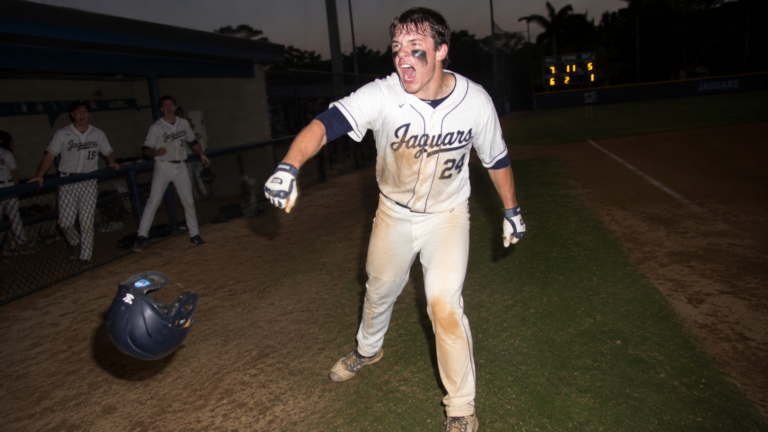
For anyone who lives in baseball, the math hits different, and it is worth saying out loud. A big-league club plays 81 home games. That is 22 percent of the year, not 3. Baseball was always closer to a year-round tenant than football ever was, which is one reason the district logic is now reaching past the majors and into mid-size markets. In Wichita, a 110 million dollar mixed-use build is rising next to the local ballpark, with a hotel, apartments, and retail designed to keep the area alive long after the last out. The anchor-and-district playbook is no longer a big-city luxury. It is becoming the default ask any time a team wants a new building.
The trend in one line
Strip away the civic-pride language and here is the trend in a sentence. The franchise is now the marquee tenant of a real estate company that happens to own a team. The game is the loss leader that draws the crowd. The profit lives in the 97 percent.
That is not cynicism. It is just the scoreboard nobody puts on television.